
Data breaches are a lot like worms in a rainstorm. If you don’t see one now, just wait five minutes and another is bound to pop up. It makes perfect sense, then, that we try to protect personal data like birthdates and credit cards.
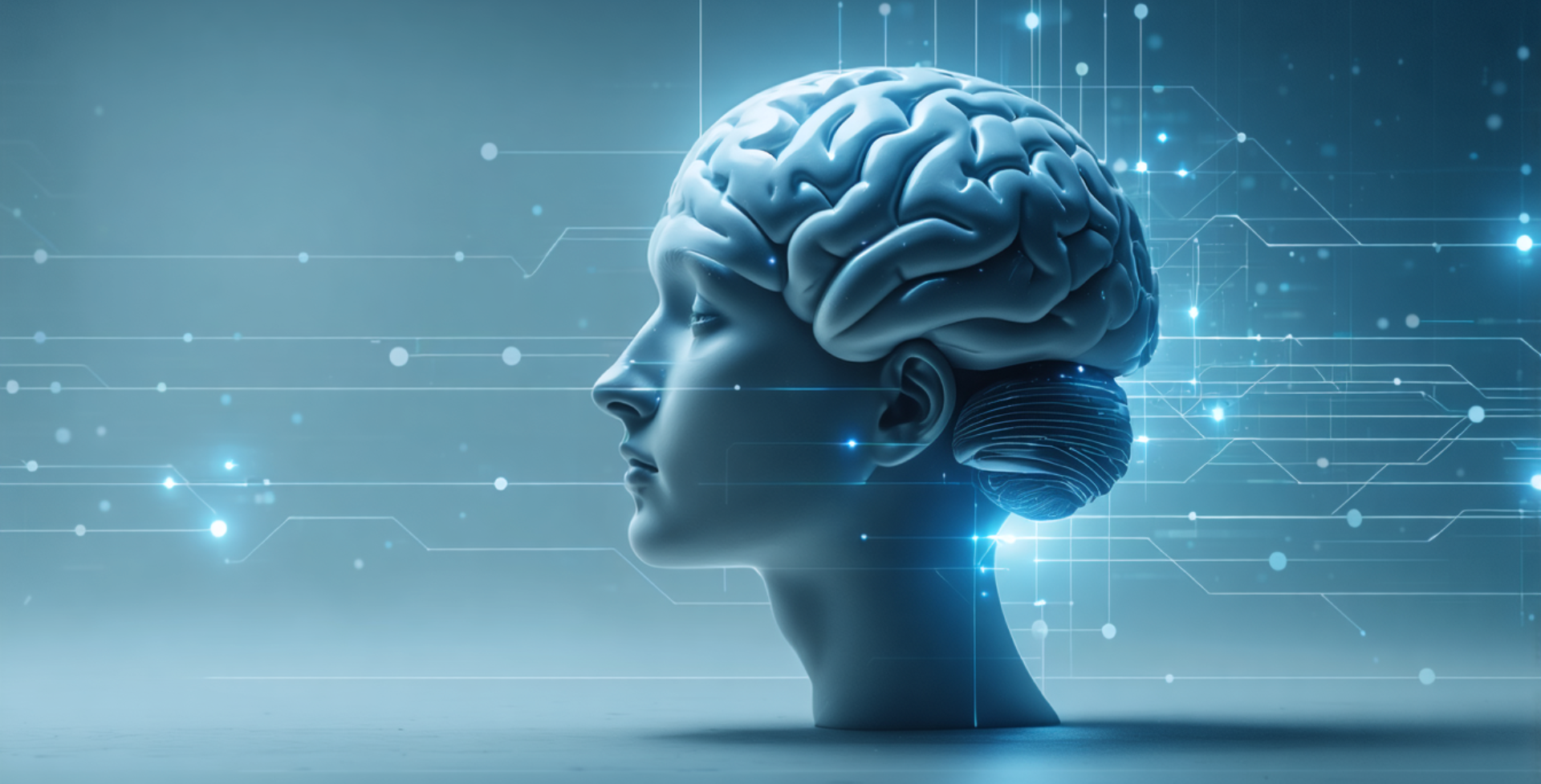
But what doesn’t make sense is that we seem more than willing to share one of the most private, unique things about us—our thoughts. It’s a growing tech segment known as consumer neurotechnology, and it means that your brainwaves might not be private much longer.
If you’re wondering how a company might gain access to your brainwaves (and you’re feeling confident that you’d never let them), you might be surprised at how easy it is.
You can find consumer neurotechnology in devices like headbands and baseball caps. Some claim to help you meditate, while others try to interpret your neural patterns to find a better dating match. Then there are earbuds and headphones with electroencephalography (EEG) capabilities built in. From sleep to productivity, fitness to romance, consumer EEG devices promise to help you improve it.
We’re not talking about mind reading here. At least not yet. So far, the consumer-facing tech can only “decode someone’s attention, engagement, if their mind is wandering, and basic emotions like stress, happiness or sadness,” according to this BBC Science Focus article.
Still, all those brain waves are a treasure trove of future data. Even if they can’t be decoded right now, odds are good that it won’t take long—and there’s big money betting on that payoff.
Investment in neurotech companies already totalled close to $30 billion by 2021. In fact, as the New York Times reported last year, companies that gather consumer brainwaves can “harvest vast troves of highly sensitive brain data, sometimes for an unspecified number of years, and share or sell the information to third parties.”
Which brings us back to data breaches turning up like worms on a wet lawn.
Yes, there are new privacy laws coming into force (Chile led the way back in 2021). And when brain data is collected in medical settings, such as Alzheimer’s or Parkinson’s research, it’s protected by all sorts of privacy laws.
But all the privacy laws in the world won’t protect your brainwaves from a data breach. In the past ten years, a long list of hacks includes some very big targets. Targets where people might assume their data was safest: National Police Corps of the Netherlands, the British Library, the CIA, and the U.S. Consumer Financial Protection Bureau.
So before you’re tempted to grab that headset and optimize your way to a better night’s sleep, you might want to think long and hard. Because no one wants to wake up and discover their very private dreams are for sale.
Image created with Dream Studio

0 Comments