
Everybody loves a rogue computer. From books to movies, we devour stories like 2001: A Space Odyssey and Ex Machina. It’s exciting to imagine those sci-fi futures, especially when we know that a computer doesn’t actually stand much chance of destroying humanity.
But if AI ever does become our downfall, it won’t be in some thrilling Hollywood way. Instead, it will come down to plain old human nature—and our hard-wired impulse to take the path of least resistance.
I’m talking about the rise of AI summaries. Instead of reading websites, or even scanning search results, we can now let AI do the work for us. Maybe it’s a summary of an email, or even a full article. Either way, AI can give us a snapshot of anything we’d rather not spend time reading. Why bother, when AI can sum things up so neatly in a couple of sentences?
Except those AI summaries are often a fever dream of misleading or even dangerous information. Like the time Google’s AI Overview recommended using glue to stop cheese from sliding off a pizza.
The not-so-bright idea came from a kid trolling people on Reddit. But mix that joke in with the “authoritative-sounding data summary presented right at the top of the results page,” and you’ve got a recipe for harm, as Ars Technica notes.
Even when AI summaries use reputable sources, it can still steer people in dangerously misguided directions. In December 2024, the BBC asked four AI chatbots (including ChatGPT and Gemini) to answer questions about stories reported by the news outlet. The chatbots blew it. Just over half their answers had “significant issues of some form,” and 19% of the time they got it wrong on basic facts like dates and numbers.
But we can just ignore them, right? The billions of us looking for info about health or finances or world events can simply ignore those tempting little summaries at the top of every search result.
Except we can’t. Our brains are hardwired to take the path of least resistance. To expend the least amount of mental or physical energy to get the result we want. In this case, a quick answer—whether it’s handed to us by a chatbot or in an AI summary.
Given a choice between scanning that easy answer (dubious as it might be) or actually spending the time to click on a few results and read the articles, our eons of evolution will pick the easy choice every time.
So if AI really does create the downfall of humanity, it won’t look anything like a scene from I, Robot. It will probably look more like millions of humans relying on AI summaries to recommend home remedies for appendicitis—or even the best kind of glue to use on their pizza.
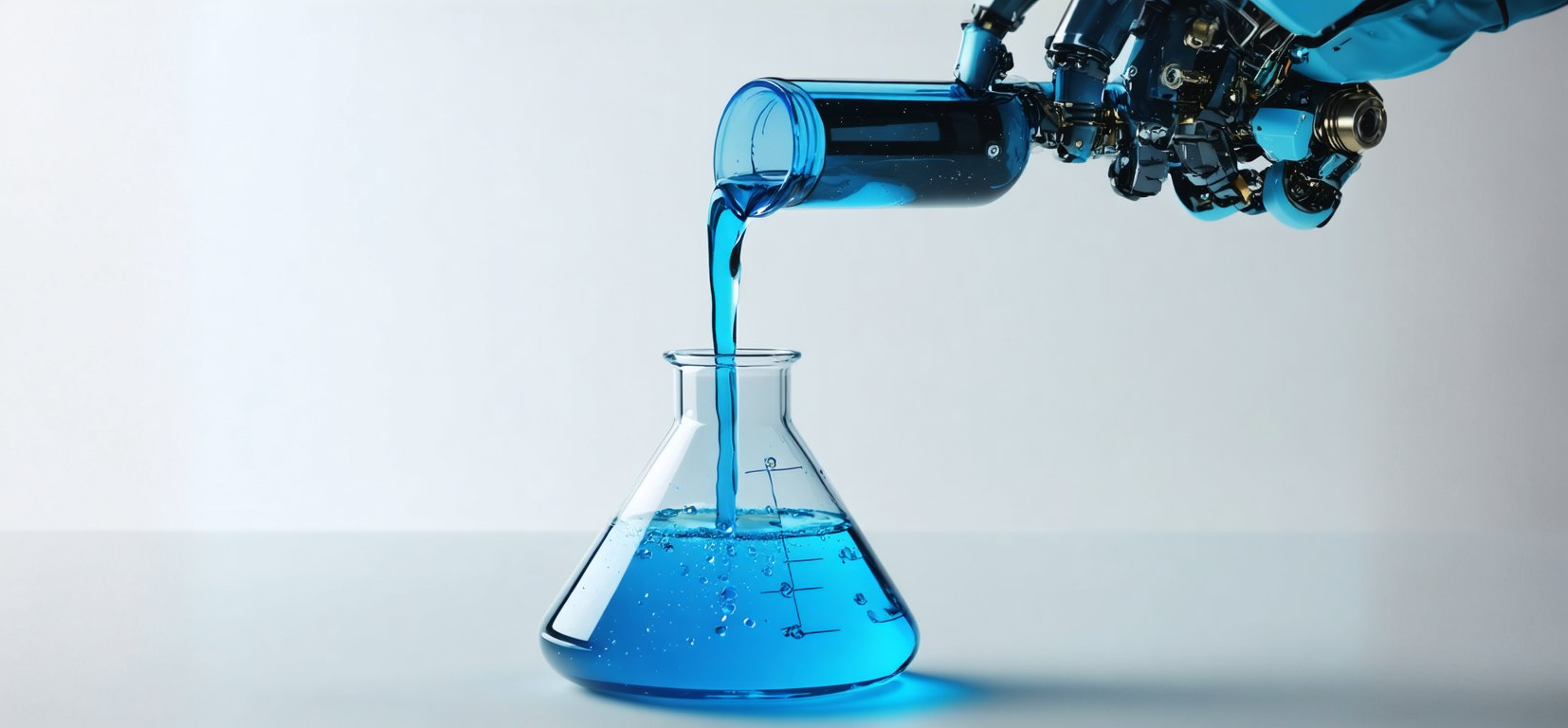
Image created with Dream Studio

Well expressed and I completely agree. The downfall, if it were to happen, would be due to laziness.